
Trigger Finger
What is Trigger Finger?
Trigger Finger (also known as stenosing tenosynovitis) is a condition that affects the tendons in your fingers or thumb, causing them to become stiff and swollen.
The tendons are responsible for allowing your fingers to bend and straighten, but when they become inflamed, the movement of the finger can become restricted.
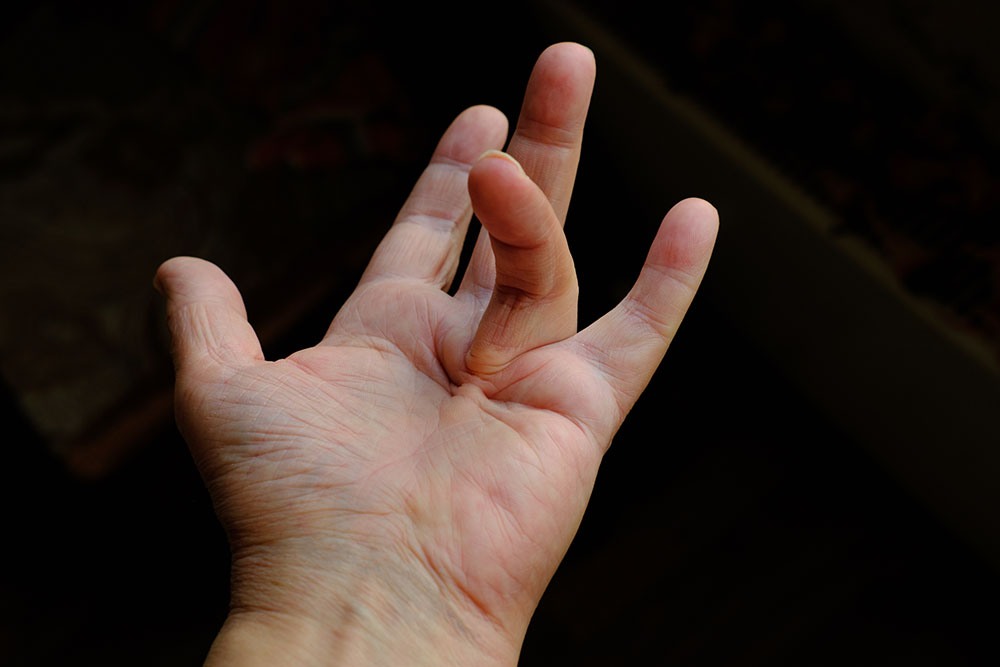
In Trigger Finger, the tendon sheath becomes narrowed, which makes it difficult for the tendon to glide smoothly. As a result, the affected finger may become "stuck" in a bent position and then suddenly "snap" or "trigger" into a straight position with a popping or clicking sound. This can cause pain, stiffness, and limited movement in the finger, making simple tasks like gripping or holding objects more challenging.
Trigger Finger can affect one or more fingers, and although it is often seen in people who perform repetitive hand movements, it can also be related to conditions like arthritis or diabetes. Treatment options, including non-surgical options like corticosteroid injections or surgery, can help relieve symptoms and restore normal finger function.
What does surgery involve?
Surgery for Trigger Finger is typically recommended when non-surgical treatments, such as rest or corticosteroid injections, have not provided sufficient relief. The goal of surgery is to release the constricted tendon sheath, allowing the tendon to move freely again.
The procedure is usually performed as a local anesthetic procedure, meaning you will be awake, but the hand will be numbed to prevent pain. In some cases, sedation may be offered to help you relax during the procedure.
During surgery, the surgeon makes a small incision at the base of the affected finger and carefully cuts open the tendon sheath that is restricting the tendon. This releases the tension and restores normal movement of the finger. The incision is typically small and may require a few stitches to close.
Surgery is generally quick, often completed within 20 to 30 minutes, and most patients are able to go home the same day.
Post-surgery, you may need to wear a dressing for a short time to protect the finger, and hand therapy exercises may be recommended to regain full function and flexibility.
What is the recovery period?
The recovery period after Trigger Finger surgery is generally quick, with most patients resuming light activities within a few days. Full recovery can take several weeks to a few months, depending on the individual and the severity of the condition. Here's what to expect:
- Immediately After Surgery:
- After the procedure, you may experience some swelling, mild pain, or discomfort at the surgical site. These symptoms can usually be managed with over-the-counter pain medications. Keeping your hand elevated can help reduce swelling.
- First Few Days:
- Most patients are able to return to light activities within 1-2 days. However, it's important to avoid heavy lifting or strenuous use of the hand during the first two weeks to allow the surgical site to heal.
- Follow-up Appointments:
- You’ll typically return for a follow-up visit within 1-2 weeks to have the wound checked and ensure proper healing.
- Hand Therapy:
- After surgery, finger exercises may be recommended to restore movement and strength. This usually begins within 1-2 weeks post-surgery, depending on how the healing is progressing.
- Full Recovery:
- Full recovery typically takes around 4-6 weeks, although some patients may experience a slightly longer recovery period, especially if there was significant stiffness before surgery. Most people can return to regular activities, including driving and work, once the pain and swelling subside.
- Surgical outcomes are generally excellent, with most patients experiencing relief from pain and improved finger movement. Following your surgeon’s post-operative care instructions is key to a smooth recovery and achieving the best results.
What are the risks?
While surgery for Trigger Finger is generally safe and effective, as with any surgical procedure, there are potential risks and complications. These are rare, but it's important to be aware of them:
- Infection:
- As with any surgery, there is a small risk of infection at the incision site. Symptoms of infection include increased redness, swelling, pain, or discharge from the wound. If this occurs, prompt medical attention is required.
- Nerve Damage:
- In rare cases, nearby nerves can be injured during surgery, potentially causing numbness, tingling, or weakness in the finger. This usually resolves over time, but in some cases, it may be permanent.
- Scarring:
- Some scarring is inevitable, though most scars from Trigger Finger surgery are small and fade over time. In some cases, scar tissue can cause stiffness or discomfort in the finger.
- Stiffness or Limited Movement:
- After surgery, some patients may experience stiffness or difficulty fully straightening the finger. Physical therapy exercises can help improve range of motion, but in some cases, additional treatment may be needed.
- Recurrence of Trigger Finger:
- Though the surgery is highly effective, there is a small chance that Trigger Finger may recur, especially if the condition was severe before surgery. In such cases, further treatments or surgery may be necessary.
-
Complex Regional Pain Syndrome (CRPS):
-
CRPS is a rare but serious condition that can develop after surgery. It causes prolonged pain, swelling, and changes in skin color or temperature in the affected limb. Symptoms may be triggered by nerve irritation or injury during surgery, and while it’s uncommon, CRPS can significantly impact recovery. Early diagnosis and treatment are important for managing this condition.
-
Before proceeding with surgery, your surgeon will discuss these risks in more detail, helping you understand your specific situation and the measures taken to minimize complications.
What are the costs?
The cost of a steroid injection for trigger finger is $100.
The cost surgery for a trigger finger is $2000.
Many private health insurance plans may cover part or all of the cost, depending on your policy. It’s important to check with your insurance provider for more specific details regarding coverage for this procedure.
A personalised quote will be provided after your consultation with Dr Kwon.